 By IORCA CONSULTING - F.Z.E.
THE BEGINNINGS
Some people are born into privileged environments, and some learn from a young age that everything is earned through work. Salvador, owner of Tio Champs in Mexico, belongs to the second group.
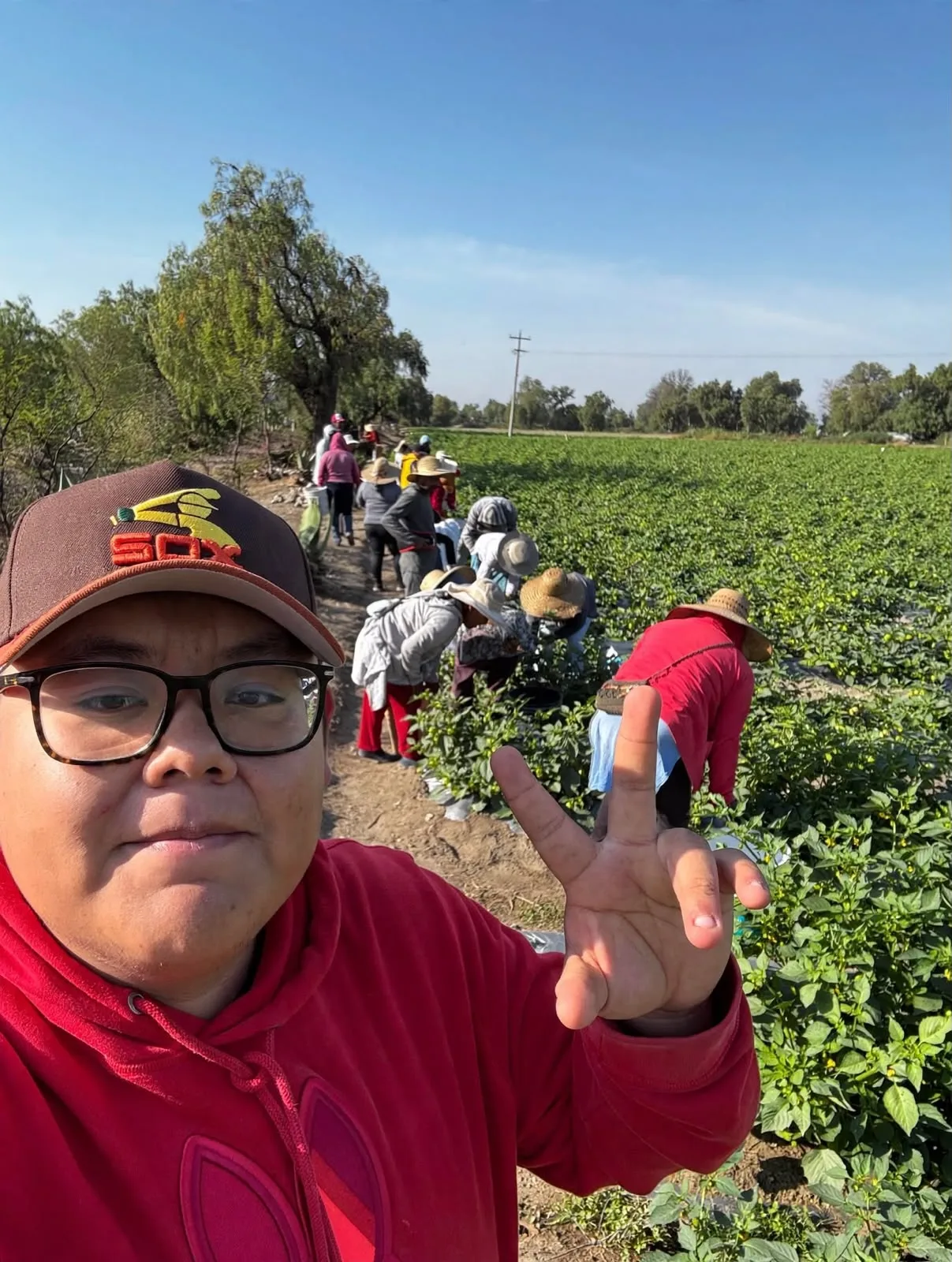
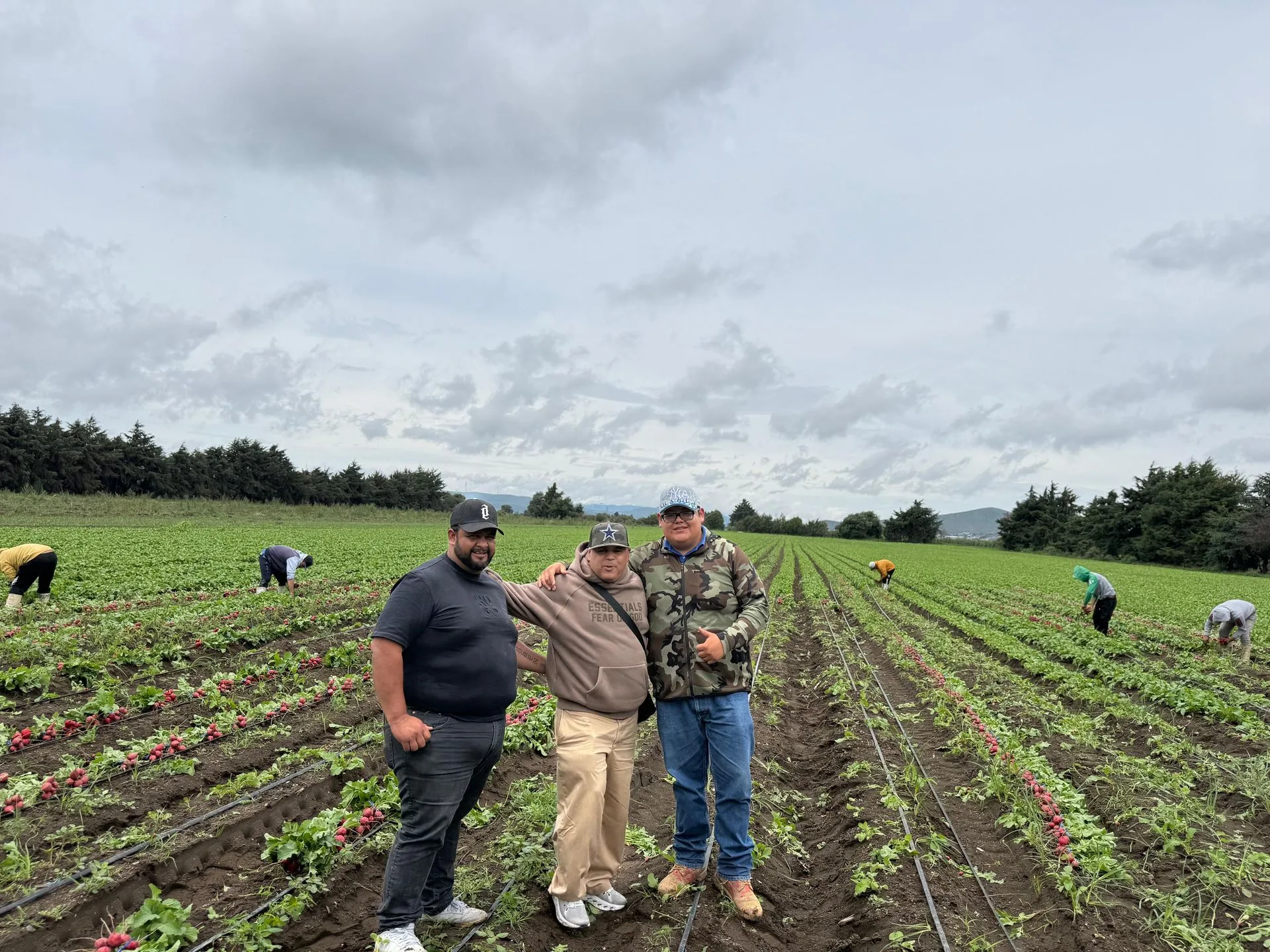
A 23-year-old Mexican entrepreneur from Puebla, Mexico, Salvador grew up in the world of vegetables and farming. While many young people his age were just starting to figure out what to do with their lives, he already understood the value of effort, discipline and daily work. His family has spent years growing vegetables such as cilantro, epazote, tomatoes and other Mexican farm products.
USA
From a very young age he understood something many take decades to discover: extraordinary results rarely come from doing the same as everyone else, even his own family, so he began exploring new markets such as the United States of America.
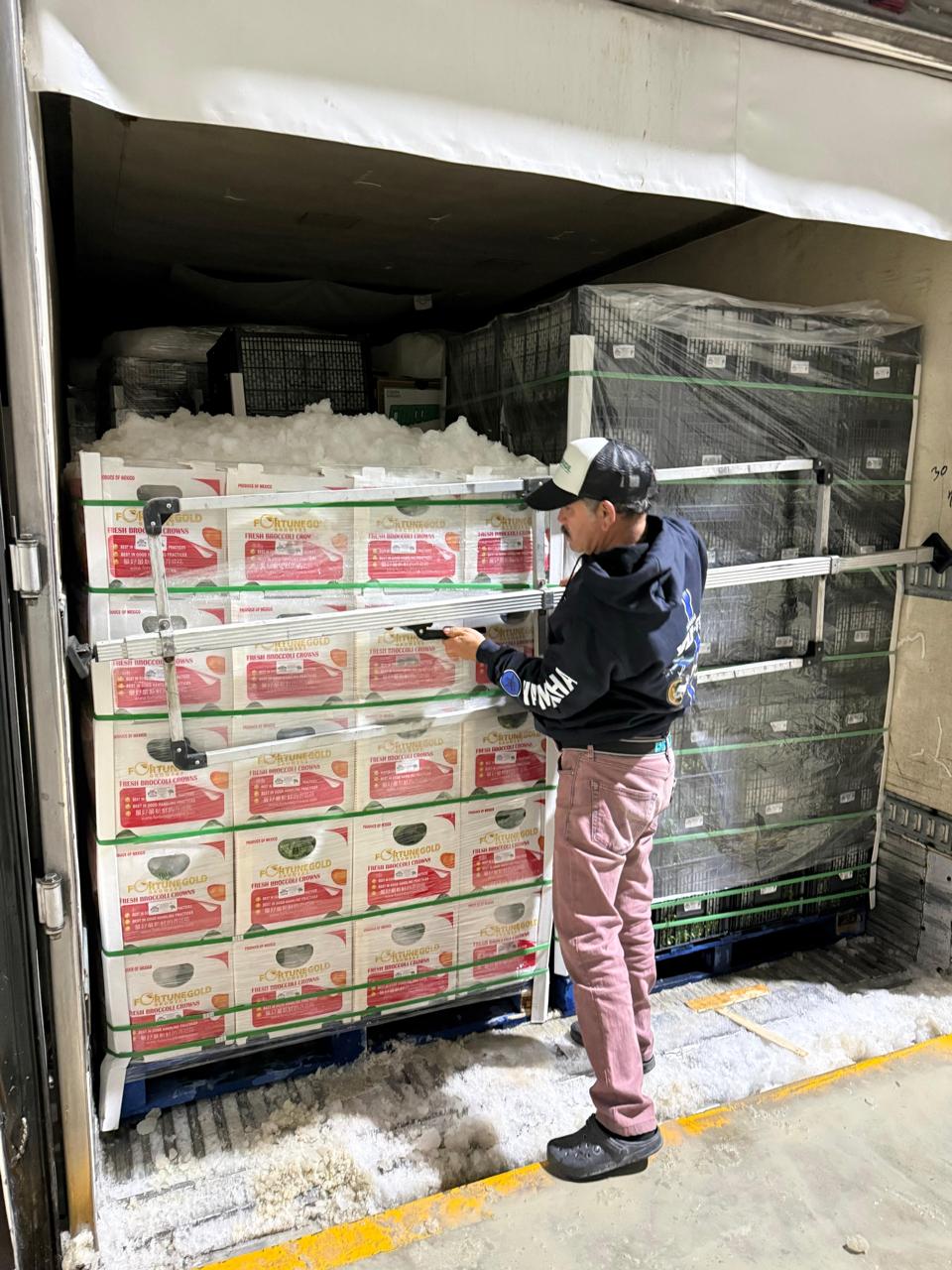
At 21, Salvador bet on exporting. With limited resources and more enthusiasm than experience, he sent his first refrigerated container of produce to McAllen, Texas. For a while it went well, but in the end the operation went badly, and he understood that everything carries risk and that losses, both financial and personal, become lessons.
LEARNING
The US market turned out to be far more complex, competitive and difficult than he had imagined. For many, that experience would have meant giving up on exporting.
For Salvador it was exactly the opposite.
That's where he understood one of the most important lessons of entrepreneurship: losing money doesn't mean failing; failing means giving up. Over time he understood that entrepreneurship isn't about avoiding mistakes, but about developing the ability to get back up after making them. Every failed attempt gave him experience, judgment and resilience.
Years later he faced a similar situation again.
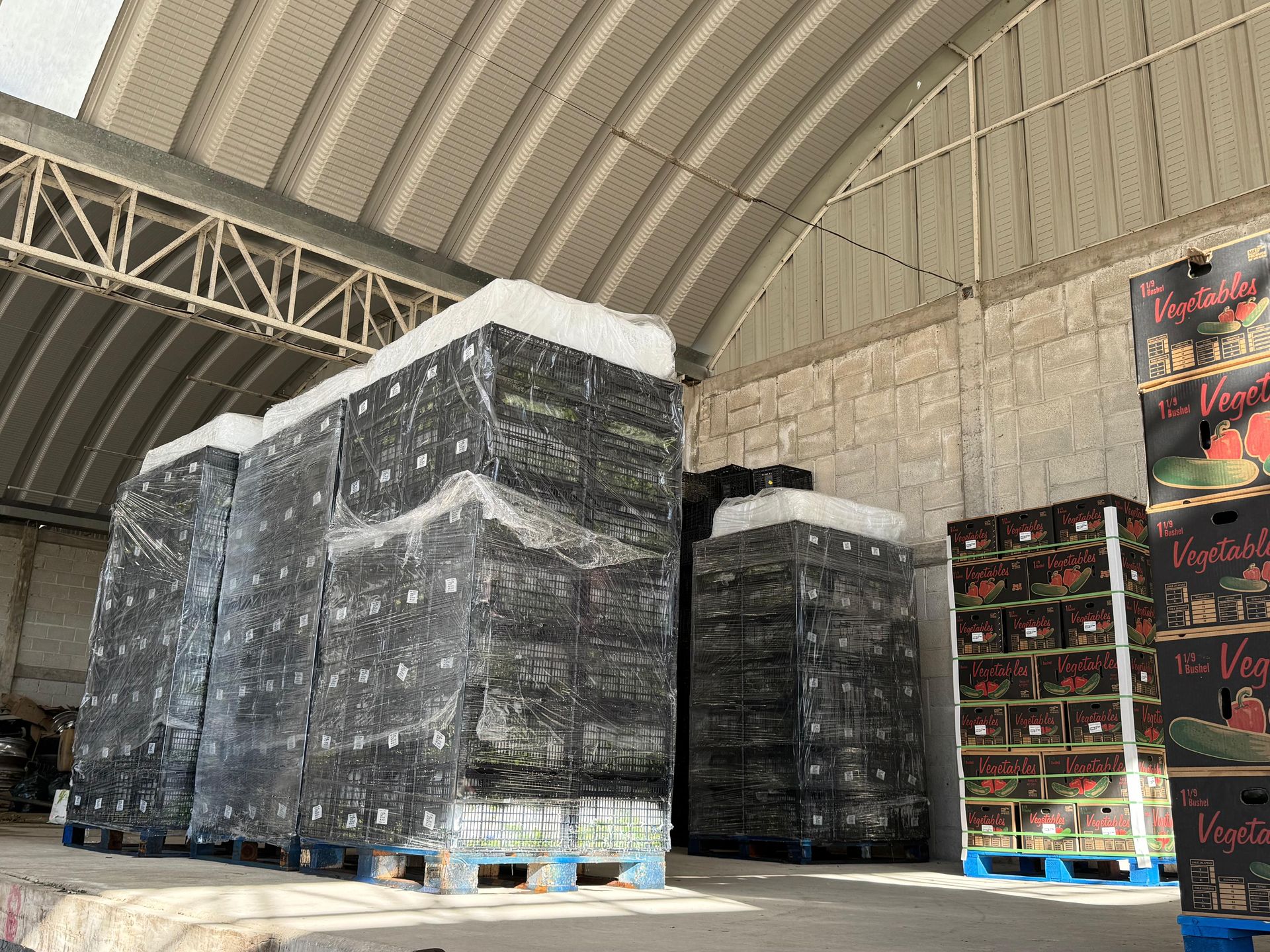
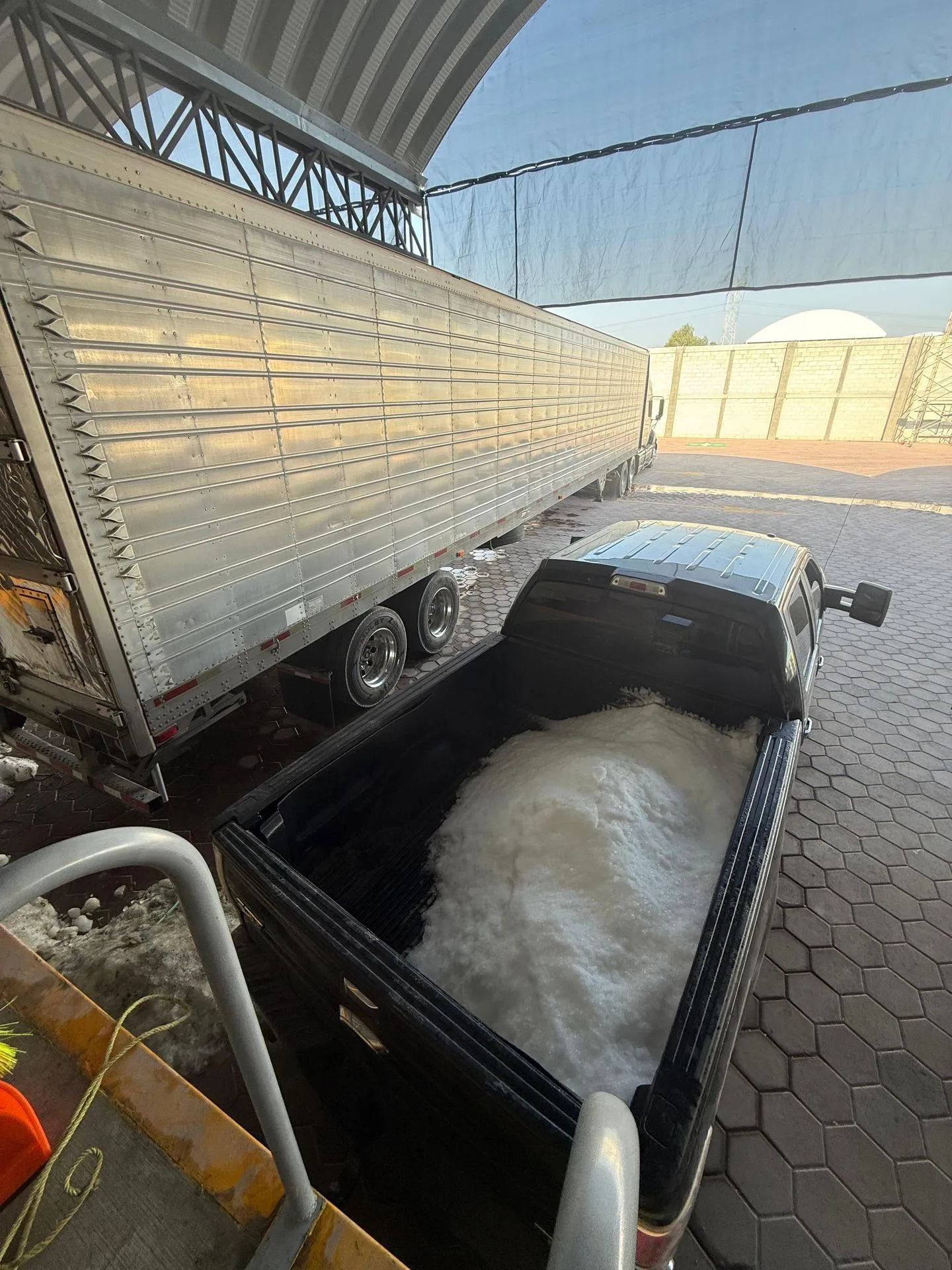
During an interview with our team, Salvador told us he was in the middle of an operation. He had sent a refrigerated container to the United States and the original buyer broke the agreement. The operation seemed lost and the money practically gone.
However, instead of giving up, he decided to use a tool he had built over years thanks to his previous failures: he started building a community on social media.
He posted that he had product available in the United States and started looking for alternatives. What seemed like a loss turned into an opportunity. He found a new buyer, this time in Chicago. He had to invest even more money to move the goods, take on more risk and trust himself again.
The decision paid off.
He saved the operation, made money and gained a new client.
But the most important thing wasn't the financial result. The most important thing was confirming once again that growth almost always requires taking risks before having guarantees.
BUILDING
Today Salvador has more than 80,000 followers on social media, a community he has built by sharing his experience in the farming and trading world. That audience has allowed him to open doors, build business relationships and show that modern businesses are no longer built only in offices, but also through the ability to connect with people.
However, there's another trait that made Salvador stand out during our selection process.
His values.
For months we analyzed entrepreneurs with different profiles; we weren't only looking for business talent. We were looking for people with discipline, resilience, long-term vision and human quality.
Salvador was selected from among 14 entrepreneurs because he showed he had both: the aptitude to build businesses and the attitude to build relationships.
THE FUTURE
Salvador will be the first entrepreneur to have a warehouse in the equivalent of a wholesale produce market in Latin America (Al Aweer Fresh Market in Dubai); he will be the first Latin American with a physical presence in that market and will begin developing specialized fresh produce operations in the United Arab Emirates.
His goal will be to build a company focused on importing fruit and vegetables of Latin American origin for sale and distribution in the main Persian Gulf countries such as Saudi Arabia, the United Arab Emirates, Oman and Qatar; he will also start a fruit and vegetable distribution business for local restaurants in Dubai.
There's a fundamental difference between arriving alone and arriving with support.
Most entrepreneurs who try to set up in Dubai start from scratch. They have to create a company, hire staff, build logistics infrastructure, acquire vehicles, hire administrative services, develop business relationships and wait months before they can operate.
That process can mean investments of over 100,000 dollars and delay the start of operations by more than 12 months.
Salvador will take a different path with IORCA BUSINESS DEGREE.
Today we ask ourselves several questions: if Salvador is a phenomenon in Mexico posting content about local vegetables, what will happen now that he posts content about vegetables from Dubai, talking about international markets? Our sense is that Salvador doesn't yet grasp the platform and reach that are about to come his way.